Lake County, Illinois
Drywall Repair in Lake County, IL
Repairs are our favorite kind of call. Small jobs, awkward jobs, and the work someone else started and walked away from.
Before and after
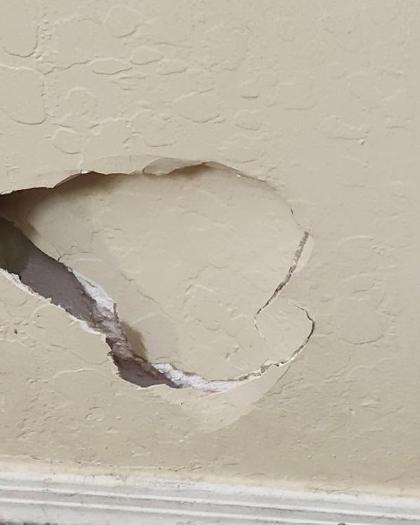
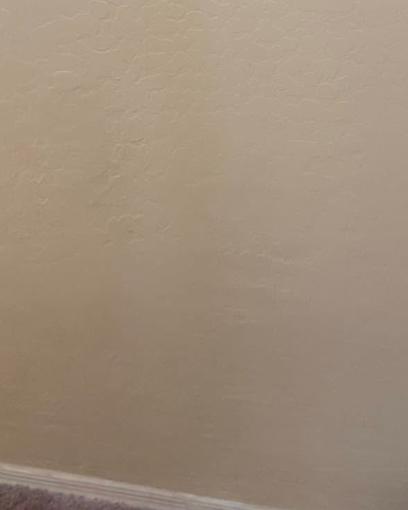
The work
Drywall Repair services across Lake County, IL
Repairs are our favorite kind of call. Small jobs, awkward jobs, and the work someone else started and walked away from.
Most repair work is matching. Finding a profile that's no longer made, splicing into an existing run so the joint disappears, and getting the new piece to sit at the same depth as forty-year-old trim.
Doors that stick, trim pulling away from the wall, soft spots in a subfloor, damaged stair treads, and water-damaged casing all fall here.
What's included
Drywall Repair: what the job covers
- Nail pops and popped screw heads
- Holes, dents and doorknob damage
- Texture matched to the surrounding wall
- Water-damaged board cut out and replaced
- Cracks at door and window corners
Drywall Repair near you
Drywall Repair in every town in Lake County
Pick your town for drywall repair details, or call and we'll come measure.
Common questions
Drywall Repair, answered
Do you offer drywall repair across Lake County?
Yes. Drywall Repair is one of our core services and we cover all of Lake County, from Lake Forest and Highland Park up to Zion and Antioch. Call (224) 944-8652 for a free estimate.
Do you take small jobs?
Yes. A half-day repair is worth the trip, and most of our bigger jobs started as a small one. We'll tell you on the phone whether it's something you could reasonably do yourself.
How much does it cost?
Every job is priced after we see the actual space, so you get a real number rather than a range. The estimate is free, it's in writing, and the scope is spelled out before any work starts.
Will the repair still show after painting?
Not if it is done properly. The patch gets feathered well past the damage, textured to match the wall around it, and spot-primed before paint. Skipping that last step is why most patches read as a dull area through the finish coat.
How soon can you start in Lake County?
Usually within a week or two for smaller work, longer for a full build. Lake County is on our regular route so we are not adding a trip charge to get there. Call and we will give you a real date rather than a maybe.
Do you give written estimates?
Always. Scope, materials and a firm number, in writing, before anything starts. If something turns up once we open a wall or pull trim off, you hear about it before we carry on rather than seeing it on the invoice.
More carpentry
Other things we build
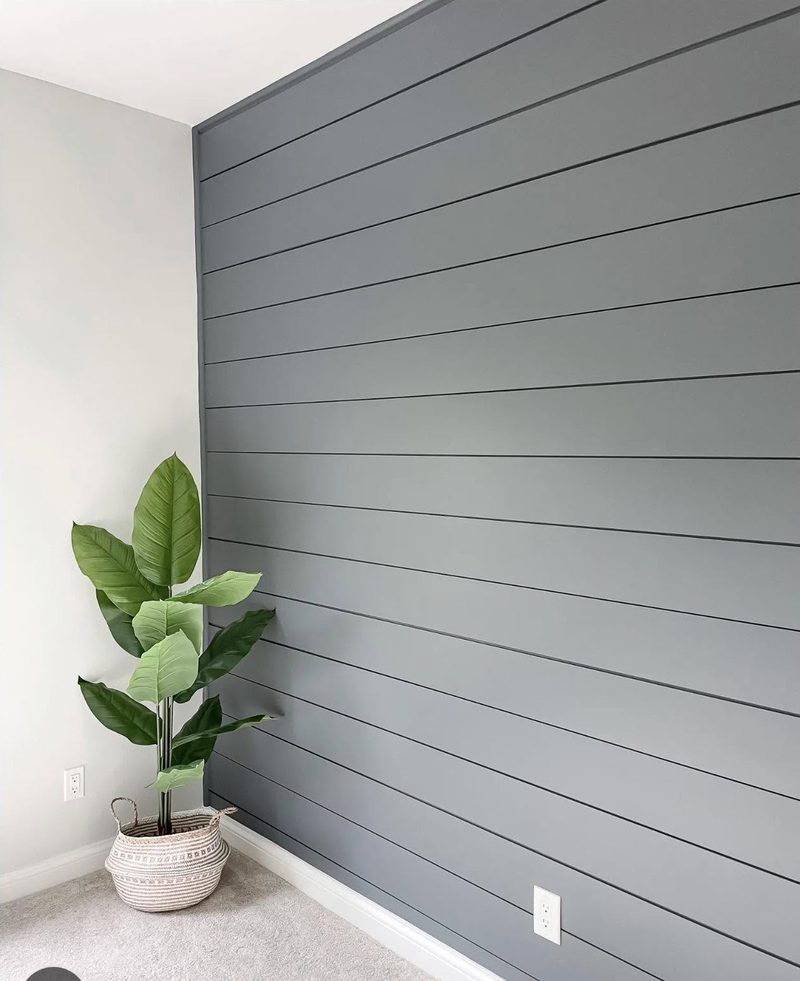
Shiplap & Accent Walls
Shiplap, plank walls, and accent walls installed level, tight and painted-ready.
View service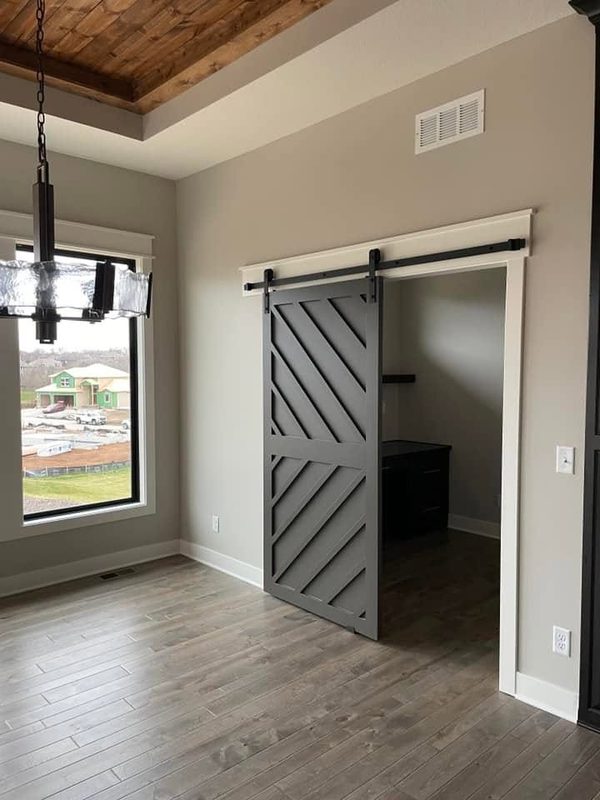
Barn Door Installation
Sliding barn doors hung on solid blocking, level track, no wobble.
View service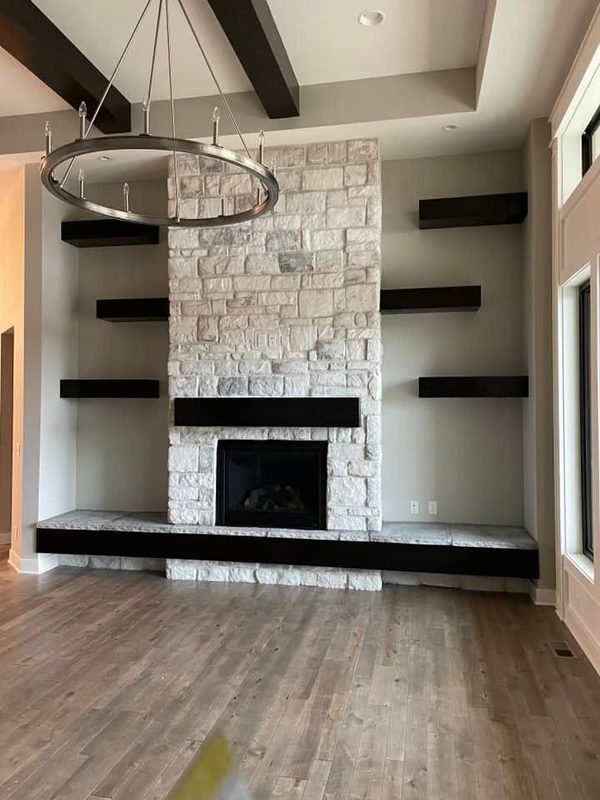
Floating Shelves & Mantels
Floating shelves and mantels anchored into framing, dead level, no brackets showing.
View service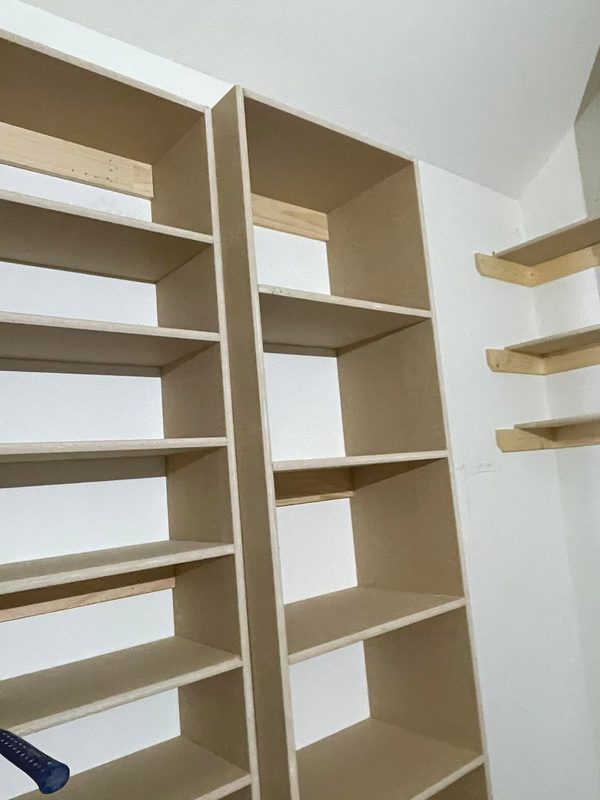
Custom Closet & Pantry Shelving
Built-in closet and pantry shelving sized to what you actually store.
View service
Basement Finishing Carpentry
Framing, doors, trim and built-ins for a basement build-out.
View service
Baseboard Installation & Replacement
New baseboard, taller profiles, and replacement after flooring or water damage.
View serviceTowns we serve
Drywall Repair across Lake County
We do drywall repair in these towns and every one around them.
The repair
Why a patch shows, and how to make it disappear
Anyone can fill a hole. The reason a repair is still visible six months later is almost never the filling.
Feathering. A patch has to be built out and feathered well beyond the actual damage so there is no ridge where the compound stops. A fist-sized hole often means a repair area two feet across. That is not padding, it is what makes it vanish.
Texture matching. If the wall carries orange peel, knockdown or a hand-troweled finish, the patch has to be given the same texture. A dead-flat patch on a textured wall is more visible than the original damage was.
Spot priming. Fresh joint compound absorbs paint completely differently from the painted wall around it. Without priming, the patch reads as a dull area through the new coat for the life of the paint. This is the single most common reason a competent repair still shows.
Nail pops. Filling one alone does nothing. The fastener has to be reset or a new screw driven nearby into the stud before the surface is repaired, or it pops again in a season.
Corner bead. A dented outside corner needs the bead repaired rather than mudded over. Compound alone over damaged bead cracks within a year.
Older houses
Plaster and lath is a different job
A large share of what we work on across the North Shore and the older parts of Lake County is not drywall at all.
Plaster over wood lath is standard in pre-war housing through Evanston, Wilmette, Kenilworth, Highland Park, Highwood and the older streets of Libertyville and Waukegan. It is harder and more brittle than drywall, it is thicker, and it fails differently.
Cracks recur if they are only filled. A crack in plaster usually means the key — the plaster squeezed between the lath strips — has broken loose from the lath behind it. Filling the visible line does nothing about that, so it opens again with the next season of movement. A proper repair re-secures the plaster to the lath first.
Patching plaster with drywall works when the sizes are matched carefully, because plaster is thicker than half-inch board and the patch has to be shimmed out to sit flush. Done without that, you get a visible dish.
Do not assume it is drywall because it looks like a flat wall. If your house predates about 1950 in Evanston, Winnetka or Kenilworth, it is probably plaster, and it changes both the method and the time.
Causes
Fix the cause, not just the wall
We would rather tell you a repair will not hold than take the job twice.
Water stains. A brown ring means water got there. Painting it accomplishes nothing until the source is fixed, and it bleeds back through anything but a stain-blocking primer. If the leak is unresolved, we will say so and you can decide whether a temporary repair is worth it.
Cracks that keep returning in the same place. A crack reappearing at the same corner of a door or window is movement, not a surface problem. Repairing it repeatedly does not fix it. Sometimes the right answer is a flexible repair that accommodates the movement rather than one that fights it.
Settling in newer subdivisions. Houses built in the last twenty years through Gurnee, Round Lake, Lindenhurst and Antioch go through a settling period, and nail pops and seam cracking are the visible result. It does eventually stop.
Basement moisture. Board in a Lake County basement that has taken on water is often compromised behind paint that still looks fine. Soft, crumbling or musty drywall needs replacing, not patching.
Scope
What we do and where we hand off
What we handle. Holes and impact damage of any size, nail pops, seam cracks, corner bead repair, water-damaged board cut out and replaced, texture matching, small ceiling repairs, and patching after another trade has been through the wall.
Patching versus hanging. Repair is our work. Hanging and finishing an entire basement or a full new build is a different trade running different equipment at a different scale, and we sequence alongside them rather than pretending otherwise.
Painting after. We prime every repair. Whether the wall gets finished corner to corner afterwards is your call — a touch-up with the same paint from the same can still often leaves a visible patch, because the surrounding paint has aged. Breaking at a corner is the reliable version.
What goes to the licensed trades. If the wall has to open for wiring, gas or plumbing, that work belongs to an electrician or a plumber. We are used to working alongside them, and we close the wall back up afterwards so you cannot tell where it was opened.
More questions
Answered
Will the patch be invisible?
Done properly, yes. Feathered well past the damage, textured to match the surrounding wall, and spot-primed before paint. Skipping the priming is why most patches still show — fresh compound absorbs paint differently from the aged wall around it.
Do you paint after the repair?
We prime every repair, which is part of the repair. Whether the wall gets a full finish coat is your call. A touch-up with the same paint from the same can often still shows because the surrounding paint has aged, so breaking at a corner is the reliable version.
My house is old — is it drywall or plaster?
If it predates about 1950 it is probably plaster over wood lath, which is a different repair. Plaster cracks recur if only filled, because the problem is usually the plaster coming loose from the lath behind it rather than the visible line.
The same crack keeps coming back. Why?
Movement. A crack reappearing at the same door or window corner is structural rather than cosmetic, and repairing it repeatedly does not fix it. Sometimes the right answer is a flexible repair that accommodates the movement instead of fighting it.
Can you fix water damage?
Yes, once the leak is fixed. Painting or patching over an active leak is money wasted, and the stain bleeds back through anything but a stain-blocking primer. Board that has been wet is often compromised behind paint that still looks fine.
Do you hang drywall for a whole basement?
Repair is our work. Hanging and finishing an entire basement is a different trade at a different scale, and we sequence alongside them rather than pretend otherwise.
Comparing quotes
What to ask before you pick a bid
Two quotes on the same job can differ by half, and it is almost never because one is greedy. It is because they are describing different work. These are the questions that make them comparable.
How far past the damage does the repair go? A fist-sized hole often means a two-foot repair area, because the compound has to feather out until there is no ridge. A quote describing a small patch is describing a patch that will show.
Is texture matching included? On an orange peel or knockdown wall, a flat patch is more visible than the hole was.
Is the patch being primed? Fresh compound absorbs paint differently from the aged wall around it. Without spot priming the repair reads as a dull area through the paint permanently. This is the single most skipped step.
Plaster or drywall? If the house predates about 1950 it is probably plaster over lath, which is a different repair and a different price. A quote that has not established which is a quote written blind.
Painting after. Priming is part of the repair. A full finish coat corner to corner is separate, and it is usually the only way a repair truly disappears.
Timing
When to book, and how the seasons affect the work
Interior carpentry runs every month of the year. Weather does not stop it, which makes winter the most available and often the most flexible time to book. January through March is when we have the widest choice of dates.
Wood moves with humidity, and Lake County has a real swing. Summers here are humid and winters, once the heat is on, are dry. Timber takes on moisture and gives it back, which means it expands and contracts through the year. That is normal and it is why joints are cut to allow for it rather than forced tight.
Let material acclimate. Trim, doors and hardwood delivered from a cold truck into a heated house need days in the room before they are cut and fitted. Installing straight off the van is why panels crack and joints open a season later. We build that wait into the schedule rather than skipping it to finish sooner.
Doors are the season's tell. A door that closes fine in February and drags in July has not broken — the slab has taken on moisture and swollen. Adjusting it in the wet season means it rattles in the dry one. The right fix depends on when you are standing there, and we will say so rather than planing something permanently.
Spring and autumn book fastest. Everyone decides at once. If your date is fixed, get on the calendar earlier than feels necessary.
Plain English
The words we use, explained
Carpentry has its own vocabulary and most of it is never explained to the person paying for the work. Here is what the terms on your estimate actually mean.
Cope. An inside corner cut where one piece is scribed to the profile of the other rather than both being cut at 45 degrees. Coped joints stay closed as a house moves through the seasons. Mitred inside corners open up. It is the single clearest tell of finish carpentry versus trim installation.
Scribe. Cutting a piece to follow the actual shape of a wall, floor or ceiling instead of assuming it is straight. Nothing in a house is straight, and scribing is what makes work sit tight against reality.
Reveal. The small deliberate setback where casing meets a door jamb, usually about a quarter inch. It gives the eye a line and hides the fact that the jamb edge is never perfectly flush. Zero reveal looks like a mistake.
Spring angle. The angle at which crown molding sits between wall and ceiling. It determines every cut on the run, and it changes on a vaulted or angled ceiling — which is why those get set off the actual ceiling rather than a chart.
Built-up. A profile assembled from several stock pieces to make a larger or more complex shape than any single piece offers. It is how original profiles in older houses get matched when the exact moulding is no longer made.
Shim. A thin tapered wedge used to bring something to plumb or level in an opening that is neither. Every door hung in an older house depends on them.
Blocking. Extra framing added inside a wall so something can be anchored to it later — a grab bar, a floating shelf, a heavy mirror, a wall-hung vanity. Cheap while the wall is open, expensive afterwards.
Plumb, level, square. Vertical, horizontal, and at right angles. Three separate things, and in an older house you often cannot have all three at once. Deciding which one to hold is a judgement call.
Face frame. The flat frame on the front of a cabinet carcase that the doors mount to. Frameless cabinets do without it, which is a different look and a different install.
Filler and scribe moulding. The narrow pieces that close the gap between a cabinet run and a wall that is not straight. They are what makes an installation look built in rather than pushed into place.
Jamb. The frame a door sits in. On exterior doors it is usually where the rot is, and replacing the slab without the jamb often solves nothing.
Stringer, tread, riser. The angled board carrying a staircase, the part you step on, and the vertical face between steps. Squeaks come from those three moving against each other.
Ready when you are
Need drywall repair in Lake County?
Free written estimate, an honest price, and a start date you can plan around.
Call (224) 944-8652