Lake County, Illinois
Crown Molding in Lake County, IL
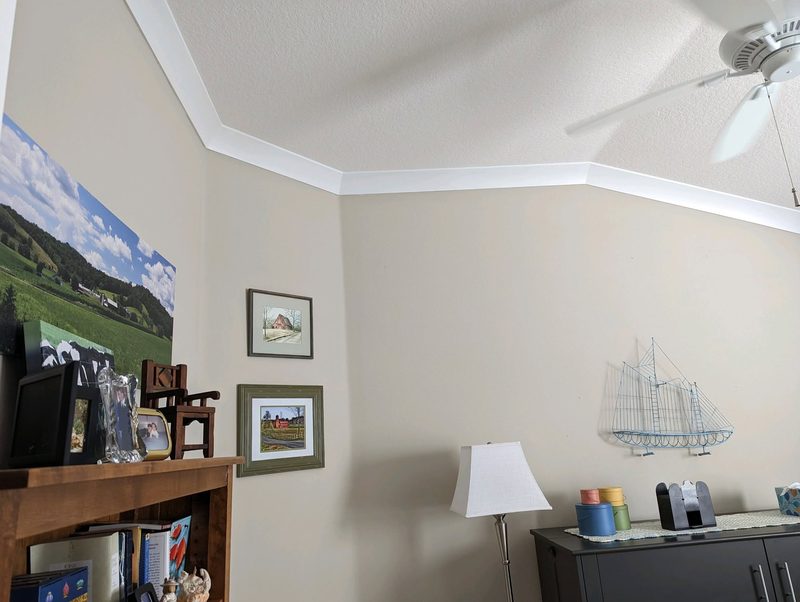
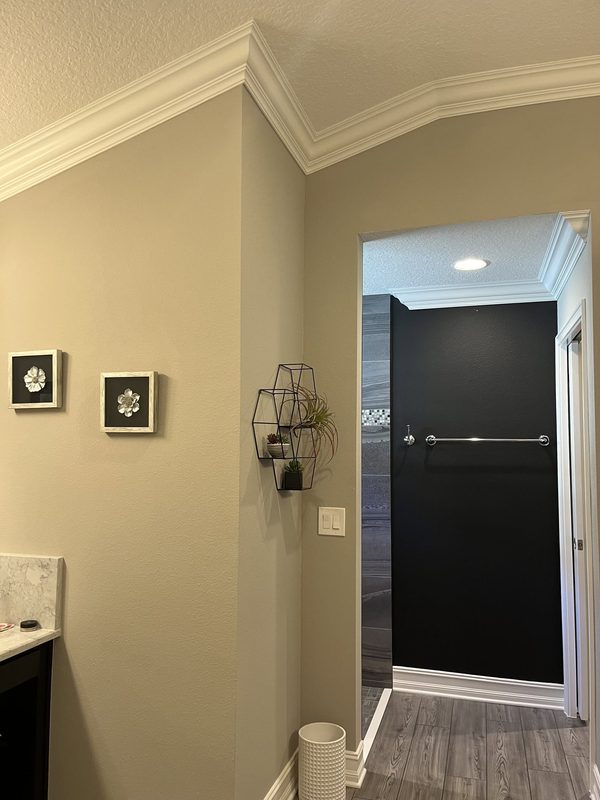
Crown molding is unforgiving. Every corner is a compound angle and every ceiling runs a little out of level. We cope, scribe, and fit it so the lines stay clean across the whole room.
The work
Crown Molding services across Lake County, IL
Crown molding is unforgiving. Every corner is a compound angle and every ceiling runs a little out of level. We cope, scribe, and fit it so the lines stay clean across the whole room.
Coped inside corners are the difference between crown that stays tight and crown that opens a hairline gap the first winter the house dries out. Miters move with the seasons; a coped joint closes on itself.
We run single-piece crown, built-up crown stacked from two or three profiles, and crown that has to carry around angled ceilings, soffits and cabinet tops without the reveal changing.
What's included
Crown Molding: what the job covers
- Single-piece and built-up profiles
- Coped inside corners
- Angled and vaulted ceiling runs
- Cabinet and soffit crown
- Scribed to out-of-level ceilings
More of this work
Crown Molding near you
Crown Molding in every town in Lake County
Pick your town for crown molding details, or call and we'll come measure.
Common questions
Crown Molding, answered
Do you offer crown molding across Lake County?
Yes. Crown Molding is one of our core services and we cover all of Lake County, from Lake Forest and Highland Park up to Zion and Antioch. Call (224) 944-8652 for a free estimate.
Can you run crown on a vaulted or angled ceiling?
Yes. Angled ceilings change the spring angle at every transition, so each cut gets set off the actual ceiling rather than a chart. It takes longer than a flat run and it's worth doing right.
How much does it cost?
Every job is priced after we see the actual space, so you get a real number rather than a range. The estimate is free, it's in writing, and the scope is spelled out before any work starts.
Will you match crown that is already in the house?
Where we can. Older profiles are often not on a shelf any more, so matching usually means building it up from stock pieces to the same overall shape. We will show you the section before we run the room.
How soon can you start in Lake County?
Usually within a week or two for smaller work, longer for a full build. Lake County is on our regular route so we are not adding a trip charge to get there. Call and we will give you a real date rather than a maybe.
Do you give written estimates?
Always. Scope, materials and a firm number, in writing, before anything starts. If something turns up once we open a wall or pull trim off, you hear about it before we carry on rather than seeing it on the invoice.
More carpentry
Other things we build
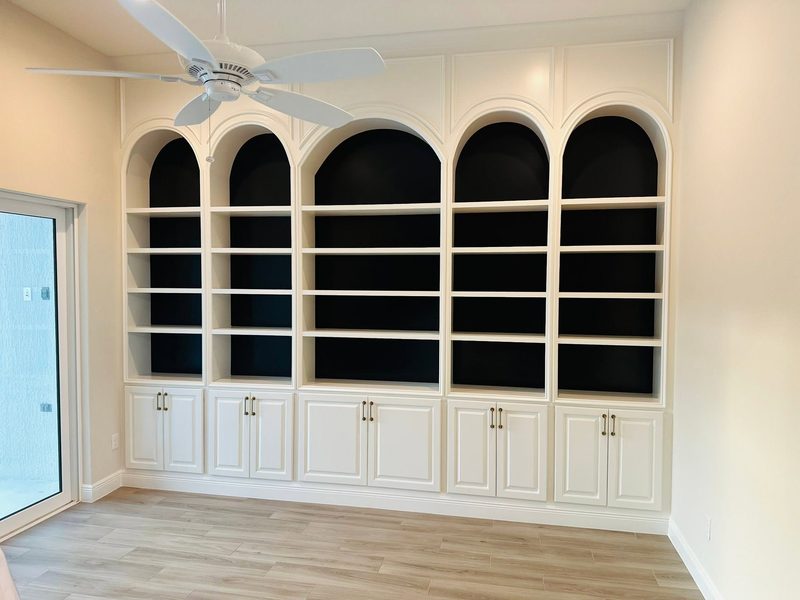
Built-Ins & Shelving
Bookcases, window seats, mudrooms, and storage that looks original to the house.
View service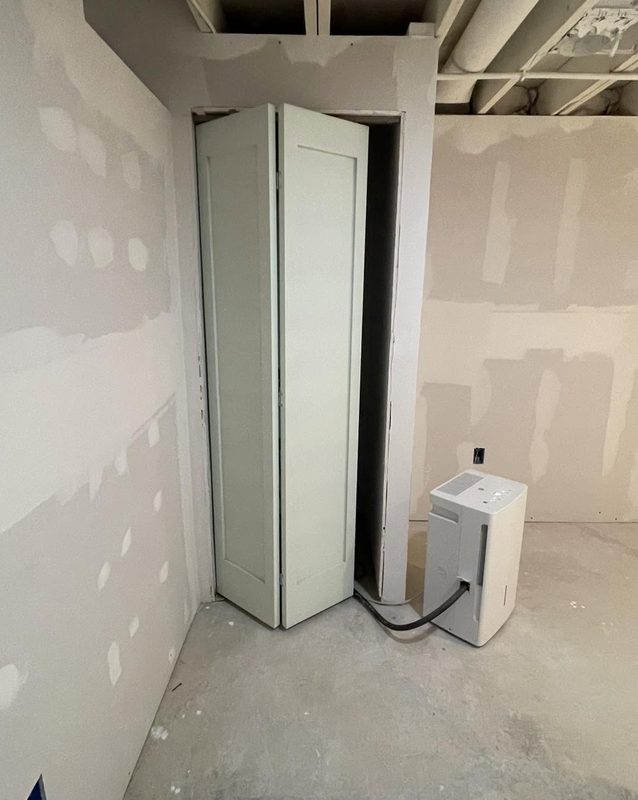
Interior Door Installation
Pre-hung and slab doors hung plumb, with even reveals and quiet latches.
View service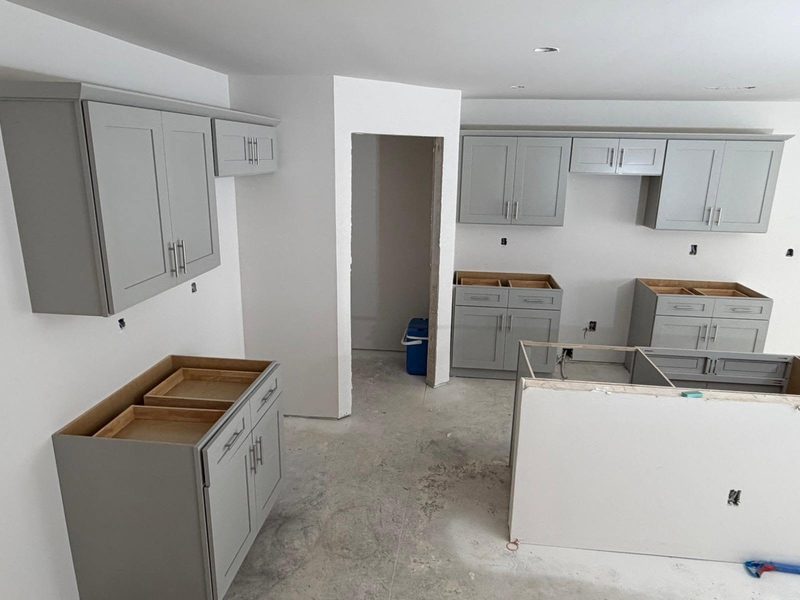
Cabinet Installation & Trim-Out
Kitchen and bath cabinet setting, leveling, scribe filler, and crown.
View service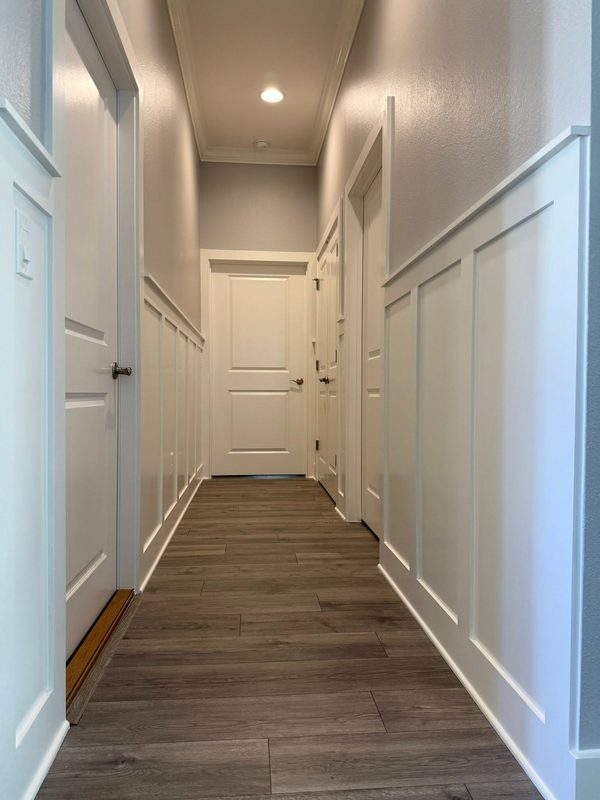
Wainscoting & Wall Paneling
Board-and-batten, raised panel, shiplap, and picture-frame molding.
View service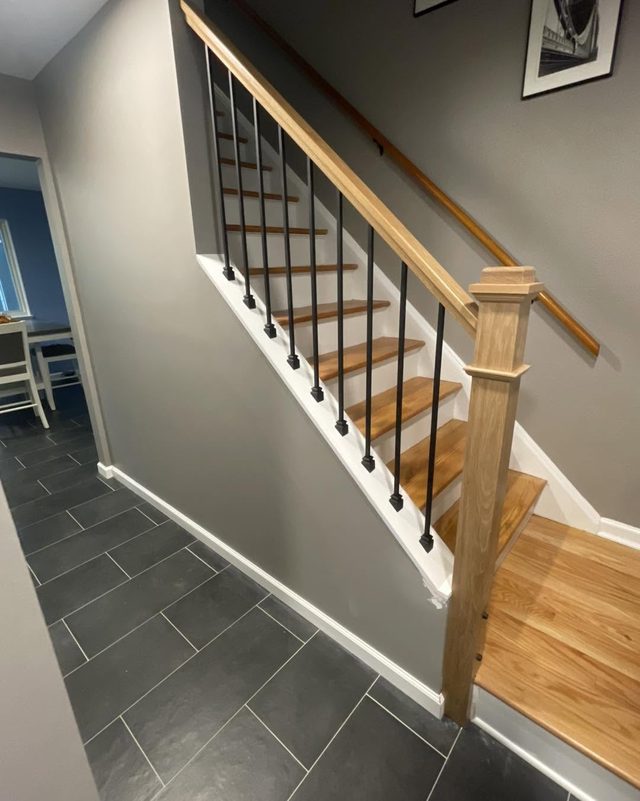
Stair & Railing Work
Treads, risers, newels, balusters, and handrail that feels solid.
View serviceTowns we serve
Crown Molding across Lake County
We do crown molding in these towns and every one around them.
Comparing quotes
What to ask before you pick a bid
Two quotes on the same job can differ by half, and it is almost never because one is greedy. It is because they are describing different work. These are the questions that make them comparable.
Is it single-piece or built-up? A single stock profile out of a box and a three-piece build-up look completely different on the wall and take completely different amounts of labour. A quote that does not say which is not comparable to one that does.
How are inside corners handled? Coped or mitred. Coped joints stay tight as the house moves through a Lake County winter; mitred inside corners open up. Ask, because it is the single biggest quality difference and it costs time rather than material.
Is the ceiling out of level, and who is dealing with it? Almost every ceiling is. Crown scribed to follow the actual ceiling looks right; crown run straight against a wavy ceiling shows a tapering gap. If nobody mentioned it, nobody planned for it.
Who fills, caulks and sands? Nail holes filled and sanded flush, every joint caulked. Sometimes that is the carpenter, sometimes it is left for the painter, and sometimes it falls between them and never happens.
Is paint included? Priming and finishing trim is a separate scope from installing it. Get it in writing either way.
Timing
When to book, and how the seasons affect the work
Interior carpentry runs every month of the year. Weather does not stop it, which makes winter the most available and often the most flexible time to book. January through March is when we have the widest choice of dates.
Wood moves with humidity, and Lake County has a real swing. Summers here are humid and winters, once the heat is on, are dry. Timber takes on moisture and gives it back, which means it expands and contracts through the year. That is normal and it is why joints are cut to allow for it rather than forced tight.
Let material acclimate. Trim, doors and hardwood delivered from a cold truck into a heated house need days in the room before they are cut and fitted. Installing straight off the van is why panels crack and joints open a season later. We build that wait into the schedule rather than skipping it to finish sooner.
Doors are the season's tell. A door that closes fine in February and drags in July has not broken — the slab has taken on moisture and swollen. Adjusting it in the wet season means it rattles in the dry one. The right fix depends on when you are standing there, and we will say so rather than planing something permanently.
Spring and autumn book fastest. Everyone decides at once. If your date is fixed, get on the calendar earlier than feels necessary.
Plain English
The words we use, explained
Carpentry has its own vocabulary and most of it is never explained to the person paying for the work. Here is what the terms on your estimate actually mean.
Cope. An inside corner cut where one piece is scribed to the profile of the other rather than both being cut at 45 degrees. Coped joints stay closed as a house moves through the seasons. Mitred inside corners open up. It is the single clearest tell of finish carpentry versus trim installation.
Scribe. Cutting a piece to follow the actual shape of a wall, floor or ceiling instead of assuming it is straight. Nothing in a house is straight, and scribing is what makes work sit tight against reality.
Reveal. The small deliberate setback where casing meets a door jamb, usually about a quarter inch. It gives the eye a line and hides the fact that the jamb edge is never perfectly flush. Zero reveal looks like a mistake.
Spring angle. The angle at which crown molding sits between wall and ceiling. It determines every cut on the run, and it changes on a vaulted or angled ceiling — which is why those get set off the actual ceiling rather than a chart.
Built-up. A profile assembled from several stock pieces to make a larger or more complex shape than any single piece offers. It is how original profiles in older houses get matched when the exact moulding is no longer made.
Shim. A thin tapered wedge used to bring something to plumb or level in an opening that is neither. Every door hung in an older house depends on them.
Blocking. Extra framing added inside a wall so something can be anchored to it later — a grab bar, a floating shelf, a heavy mirror, a wall-hung vanity. Cheap while the wall is open, expensive afterwards.
Plumb, level, square. Vertical, horizontal, and at right angles. Three separate things, and in an older house you often cannot have all three at once. Deciding which one to hold is a judgement call.
Face frame. The flat frame on the front of a cabinet carcase that the doors mount to. Frameless cabinets do without it, which is a different look and a different install.
Filler and scribe moulding. The narrow pieces that close the gap between a cabinet run and a wall that is not straight. They are what makes an installation look built in rather than pushed into place.
Jamb. The frame a door sits in. On exterior doors it is usually where the rot is, and replacing the slab without the jamb often solves nothing.
Stringer, tread, riser. The angled board carrying a staircase, the part you step on, and the vertical face between steps. Squeaks come from those three moving against each other.
Ready when you are
Need crown molding in Lake County?
Free written estimate, an honest price, and a start date you can plan around.
Call (224) 944-8652